
Reviewed · PORT LOUIS CITY TOURS
Mauritius: Port Louis Street Food City Tour
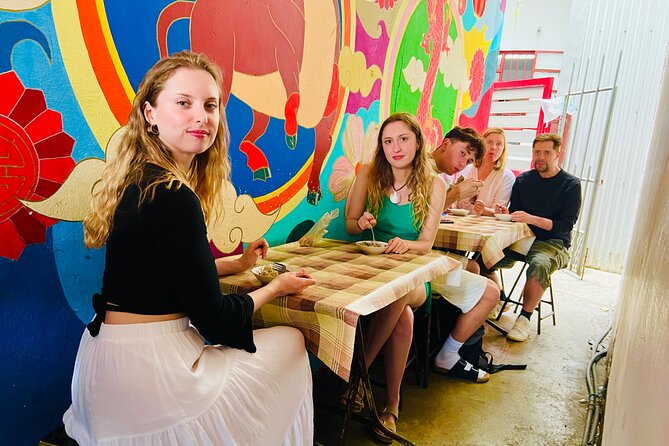
Port Louis is best tasted on foot. This three to four hour morning tour brings you from the Caudan Waterfront area into the city’s markets, Chinatown, historic streets, and food stalls, with around eight Maurian dishes along the way. I like the mix of street food and cultural sights, and I like that the group is capped at 10 people, small enough for a more personal walk.
The food is the main draw, especially the fresh gato pima, or split-pea chili bites, but this is not just a snack crawl. You also visit Aapravasi Ghat, Jummah Mosque, the Central Market, and Company Garden. The one thing to consider is that Port Louis can be hot, crowded, and fast-moving, so comfortable walking shoes, sun protection, and an open mind about unfamiliar flavors will help.
Guide Dourvesh has earned especially warm praise for giving clear background without talking nonstop, adapting the pace to the group, and keeping the three-hour route full from start to finish. By the end, you may be well fed enough to give the banyan trees your full attention.
In This Review
- Key things to know before booking
- Why Port Louis makes a better food stop than a quick photo stop
- Aapravasi Ghat puts the food in context
- Jummah Mosque shows Port Louis in stone and color
- Chinatown reveals old Port Louis trade
- Central Market brings the strongest street-food energy
- Company Garden offers a quiet pause
- What the food portion is really worth
- The guide can shape the whole morning
- Who will enjoy this tour most?
- Should you book the Port Louis food tour?
- FAQ
- How long is the Port Louis Street Food City Tour?
- What time does the tour begin?
- Where does the tour start?
- Where does the tour finish?
- How many people can join the tour?
- Is food included in the price?
- Can I cancel for a full refund?
Key things to know before booking
- About eight foods to try: Expect a broad sample of Mauritian flavors rather than one large sit-down meal.
- A food tour with real context: Aapravasi Ghat and Jummah Mosque add important insight into Mauritius beyond its beaches.
- The Central Market is a highlight: Fruit, herbs, spices, potions, and ready-to-eat bites bring the city’s daily life into view.
- Chinatown adds a different flavor: Old family-run shops and Hakka Chinese influences show another side of Port Louis.
- Small group format: The maximum group size is 10, which should make it easier to hear the guide and ask questions.
- Plan for a morning walk: It begins at 10:00 a.m., lasts about three to four hours, and returns to the meeting point.
Why Port Louis makes a better food stop than a quick photo stop
Many people come to Mauritius for the beaches, but Port Louis gives you the island’s human story in a compact area. Indian, Chinese, African, Creole, and Islamic influences meet in the food, buildings, markets, and religious sites.
That combination gives this tour its value. You are not simply buying a list of snacks. You are paying for a guide who connects a chili bite to the island’s Indian influence, a Chinatown shop to generations of trade, and Aapravasi Ghat to the movement of hundreds of thousands of indentured laborers.
The timing helps, too. Starting at 10:00 a.m. places you in the city during the active part of the day, when the market and commercial streets are doing their normal work. You will see Port Louis as a working city, not as a set prepared for sightseeing.
The route is described as beginning from the Caudan Waterfront, while the stated meeting point is IBL House in Port Louis. I would check the exact starting instructions before setting out, especially if you are arriving by taxi or public transport.
More Street Food Tours in Mauritius:
- Port Louis: Street Food & City Tour
★ 4.7 · 518 reviews - Port Louis: Street Food & City Tour
★ 4.9 · 377 reviews - Port-Louis Street Food Tour
★ 5.0 · 264 reviews
Aapravasi Ghat puts the food in context
The first major stop is Aapravasi Ghat, a World Heritage Site covering about 1,640 square meters. This is where the modern indentured labour diaspora began.
In 1834, the British Government selected Mauritius as the first site for its replacement of enslaved labor with what it called free labor. Between 1834 and 1920, almost half a million indentured laborers arrived from India at this site. Some worked on Mauritian sugar plantations, while others were sent onward to Réunion, Australia, southern and eastern Africa, and the Caribbean.
You have about 30 minutes here, with admission included. That is enough time for an introduction to the site and its role, though not enough for a long museum visit or a slow architectural study.
I value this stop because it changes how you read the rest of Port Louis. The Indian flavors you taste later are not random additions to an island menu. They are connected to the people who arrived, worked, settled, and shaped Mauritian society.
This is also the most serious part of the outing. The tour shifts quickly between food, architecture, and migration history, so you should expect a strong overview rather than a full specialist visit. Still, the stop gives the meal a wider frame, and that makes the tasting feel more meaningful.
Jummah Mosque shows Port Louis in stone and color
The short visit to Jummah Mosque lasts about 10 minutes and includes admission. The mosque dates from the 1850s and combines Indian, Creole, and Islamic architectural features.
Its earlier name was Mosquée des Arabes, or Mosque of the Arabs. Inside the complex is a marble tomb containing the remains of Jamal Shah, a pir from Kutch in India.
Ten minutes is brief, but the stop works well as part of a walking route. You get a quick look at one of the city’s important religious buildings and another reminder of the connections linking Mauritius with the Indian Ocean world.
Do not expect a long guided religious tour here. The value is in seeing how different traditions share the same urban space. After Aapravasi Ghat, the mosque adds another layer to the story of migration, trade, faith, and settlement.
Chinatown reveals old Port Louis trade
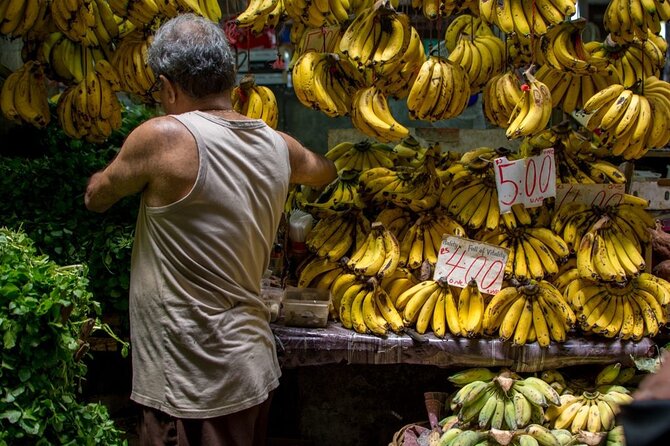
The Chinatown portion receives about an hour, making it one of the most substantial stops. This is where the tour shifts from formal landmarks to street-level city life.
Some Chinese families have operated businesses here for generations. You might find small, dark shops that have not been upgraded into polished modern spaces. That worn quality is part of the appeal. It gives the district an older commercial feel, even though newer buildings and businesses are also present.
Chinese trade has long been part of Sino-Mauritian culture. Port Louis Chinatown once served as a major trade center, but supermarkets later changed how people shopped, and the district lost some of its former commercial role.
For you, that means Chinatown is best approached with curiosity rather than a checklist. Look at the shop fronts, notice the mix of old and new, and listen as the guide explains how the area changed.
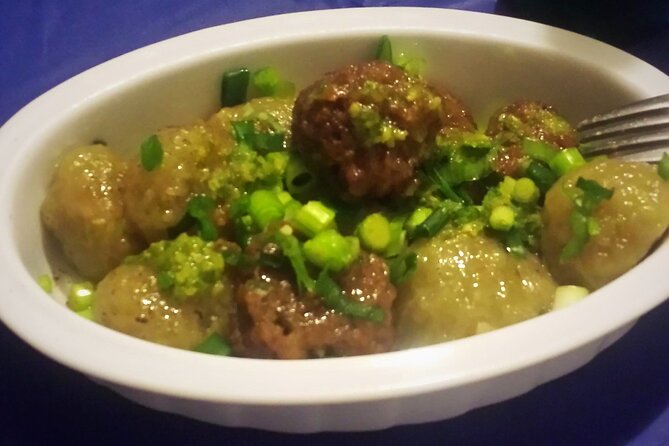
The food here draws from Hakka Chinese cooking and forms part of the roughly eight dishes sampled during the tour. The Chinatown stop is especially useful because it shows that Mauritian food is not one national style. It is a meeting point, shaped by several communities over time.
Dourvesh is praised for adjusting the route to personal interests. That matters in Chinatown, where you may want more time for food, architecture, or stories about local commerce. A flexible guide can make this hour feel like a city walk rather than a rushed march between tasting points.
More City Tours in Mauritius:
- Port Louis: Mont Choisy, Botanical Garden, and Church Tour
★ 4.7 · 268 reviews - Port Louis Market, Botanical Garden -Northern Mauritius Tour
★ 4.6 · 164 reviews - Mauritius: Port Louis and Northern Highlights Full-Day Trip
★ 4.3 · 161 reviews - Mauritius: Port Louis Street Food Walking Tour
★ 4.5 · 93 reviews
Central Market brings the strongest street-food energy
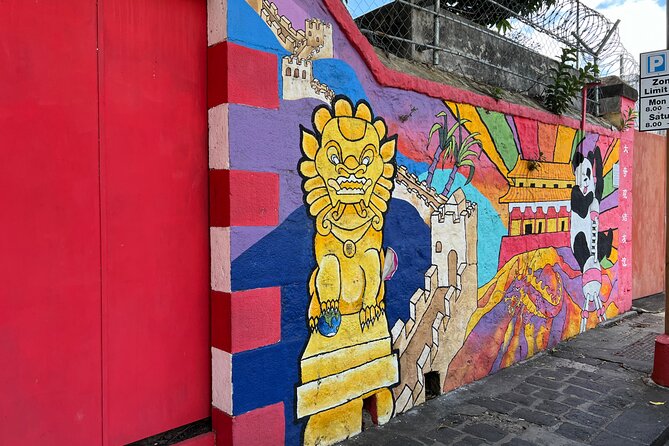
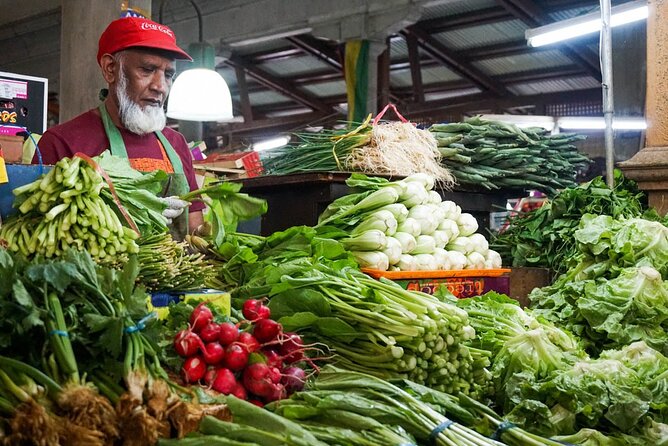
The Central Market is likely to be the food center of gravity. You have about 30 minutes among stalls selling fruit, herbs, spices, and potions, along with the prepared foods that make the market such a useful introduction to Mauritian eating.
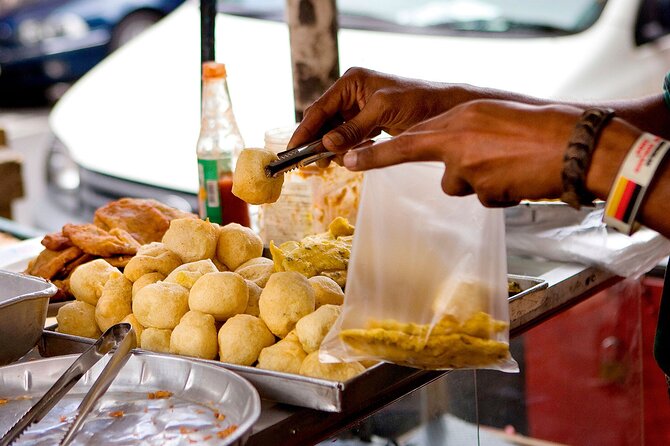
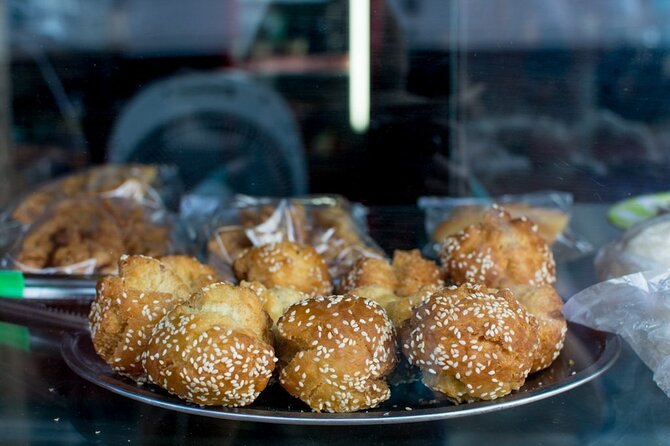
This is where you try gato pima, fresh deep-fried chili bites made from soaked split peas, spring onions, and green chilies. They are small, crisp, and strongly seasoned, with a lively burst of heat. If you like snacks with texture and bite, this is one of the foods to remember.
The market also helps you understand the ingredients behind the cuisine. Instead of hearing only a list of dishes, you can see the produce, seasonings, and everyday goods that support local cooking.
Thirty minutes goes quickly in a market. You may have to balance eating, listening, looking, and staying with the group. That is not a flaw so much as a reminder to keep your camera and conversation under control when the route is moving.
The tour includes snacks, lunch, food tastings, and bottled water. The exact food selection can vary with the day and the guide, so do not expect a fixed restaurant menu. Think of it as a series of tastes spread across the city, with enough food that one person described being completely full by the end.
Company Garden offers a quiet pause
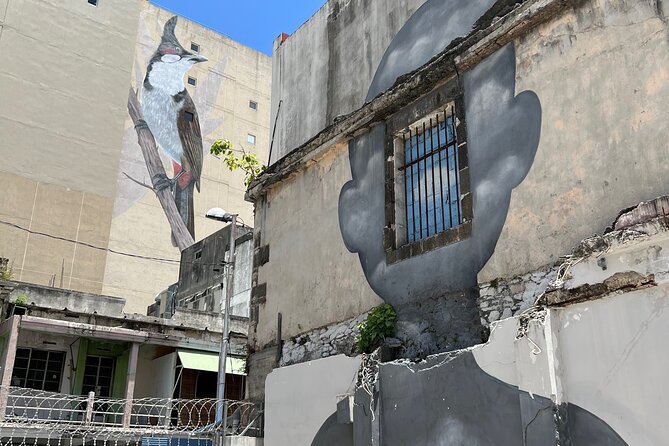
Les Jardins de la Compagnie, or Company Garden, gives your feet and palate a break. The garden has huge banyan trees, statues, fountains, and benches, with around 20 minutes set aside for the stop.
Its name comes from the French East India Company. In the early colonial period, the area served as the company’s vegetable garden. Today, statues by local sculptor Prosper d’Épinay and a tribute to musician Ti Frère add local character.
The banyan trees are a particular treat. Their hanging roots create a dramatic canopy and offer a welcome change from market streets and shop fronts. After several tastings, you may appreciate the chance to slow down and look up.
The garden is considered safe and appealing during the day, which fits this morning itinerary. It is advised to avoid the area at night, when it can become a hangout for sex workers and people using drugs. That is useful practical information if you plan to return independently after the tour.
What the food portion is really worth
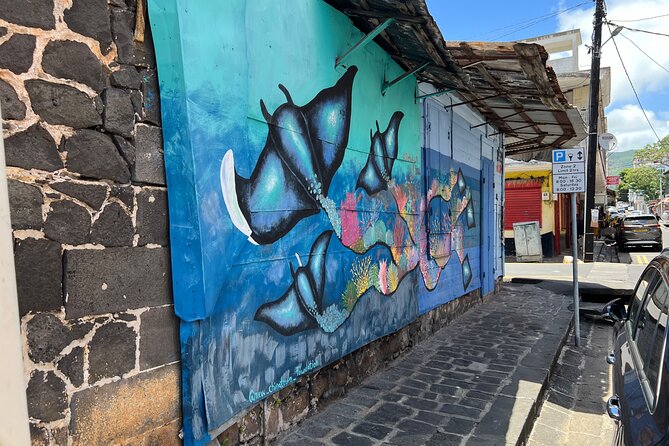
The price is $49.40 per person. For a three to four hour guided walk that includes lunch, snacks, multiple food tastings, bottled water, and admission to the listed sights, that is a reasonable price if you want both eating and sightseeing.
You are also paying for local navigation. Port Louis has busy streets, small shops, market crowds, and a mix of cultural sites that can be hard to connect on your own during a short visit. The guide helps you move through the city with a purpose.
The value is lower if you only want a large, formal meal. This is a tasting walk, not a restaurant booking. You will sample several items, but the experience depends as much on explanation and setting as on portion size.
I would also avoid scheduling a big dinner too soon afterward. The combination of lunch and multiple tastings can fill you up. One useful tip is to arrive hungry, but not so hungry that you rush the first dishes.
The guide can shape the whole morning
The guide matters more here than on a simple landmark transfer. The strongest feedback centers on Dourvesh, who is described as informative, relaxed, and good at giving people enough time to look around.
That balance is important. Port Louis offers plenty to explain, but constant narration would make it hard to notice the city for yourself. The ideal rhythm is a short explanation, a food stop, time to observe, and then the next piece of context.
You should feel free to ask about ingredients, religious buildings, family businesses, and the history of migration. The group limit of 10 supports that kind of conversation better than a large coach tour.
The tour returns to the meeting point. Hotel pickup and drop-off are not included, so you need to arrange your own way to IBL House or the stated starting area. The meeting point is near public transportation, which helps if you are staying elsewhere in Port Louis.
Who will enjoy this tour most?
I would choose this tour if you want a first look at Port Louis and prefer food to formal sightseeing. It suits people who enjoy trying several small dishes, walking through active neighborhoods, and learning how different communities shaped Mauritius.
It also works well for a short stay. In one morning, you cover a World Heritage Site, a mosque, Chinatown, the Central Market, and Company Garden. That saves you from piecing together separate visits.
The experience may be less suitable if you have limited walking ability, dislike crowds, or need a tightly controlled food menu. The available information says most people can participate, but it does not provide detailed accessibility or dietary information. If allergies or strict dietary needs matter, ask the provider before booking.
The tour requires good weather. If poor weather cancels it, you are offered another date or a full refund. You can also cancel for a full refund up to 24 hours before the start time. A minimum group size is required, so a cancellation for that reason comes with the choice of another date or experience, or a full refund.
Should you book the Port Louis food tour?
Book it if you want an edible introduction to Mauritius rather than a basic city sightseeing loop. The strongest reasons are the variety of food, the Central Market, the old Chinatown businesses, and the way Aapravasi Ghat gives the morning serious historical weight.
I especially like this tour for first-time visitors who might otherwise stay near the coast. It takes you into the capital’s daily life and gives you a useful map of places you could revisit later.
Skip it if you want a long museum visit, a quiet private meal, or a food tour centered on one specific cuisine. For everyone else, $49.40 is fair value for a small-group morning that combines lunch, tastings, local guiding, and some of Port Louis’s most important sights.
FAQ
How long is the Port Louis Street Food City Tour?
The tour lasts approximately three to four hours.
What time does the tour begin?
It begins at 10:00 a.m.
Where does the tour start?
The stated meeting point is IBL House in Port Louis. The route description also refers to beginning from the Caudan Waterfront area, so confirm the exact meeting instructions before departure.
Where does the tour finish?
The activity ends back at the meeting point.
How many people can join the tour?
The group has a maximum of 10 travelers.
Is food included in the price?
Yes. Snacks, lunch, food tastings, and bottled water are included.
Can I cancel for a full refund?
Yes. You can cancel at least 24 hours before the local start time for a full refund. Poor weather or failure to meet the minimum number of participants may also result in an alternative date or a full refund.
More Food Tours in Mauritius
- Mauritius: Snorkeling with Turtles & Port Louis Street Food
★ 4.4 · 61 reviews - Mauritius: Sights of the South Private Tour with Rum Tasting
★ 4.7 · 42 reviews - Mauritius : Swim with turtles and Port Louis Street food tour
★ 4.5 · 38 reviews - Mahebourg Village Food Tour
★ 5.0 · 35 reviews
New in Mauritius this month
- Mauritius Half Day City Tour(All Region)★ 4.0 · 3 reviews
- Airport/ Hotel Transfers★ 5.0 · 3 reviews
- Mauritius Hiking 7 waterfalls Trip with Ganga Talao & Lunch★ 4.7 · 3 reviews
- Fascinating Nature Tour Incl Ebony Forest, 7 Coloured Earth,Lunch★ 5.0 · 3 reviews
- Cultural Delights & Heritage Treasures in the City★ 5.0 · 3 reviews
- Chamarel: Curious Mauritius Entry Ticket★ 4.0 · 3 reviews
- Whale & Dolphins Swimming – Private Speedboat Exclusive Tour★ 4.2 · 3 reviews
- Coin de Mire 2-Hour Private Snorkeling Trip★ 4.3 · 3 reviews
Port Louis City Tours, compared.
Port Louis Market, Botanical Garden -Northern Mauritius Tour
Read our review →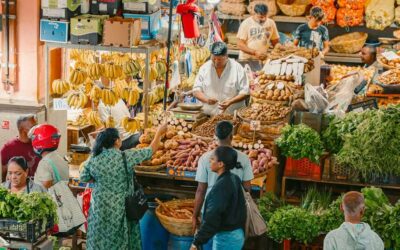
Port Louis and Northern Highlights Full-Day Trip
Read our review →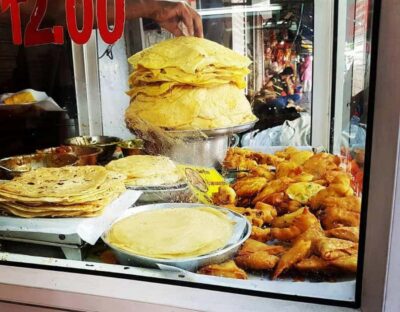
Private Full Day Tour of Port Louis and Northern
Read our review →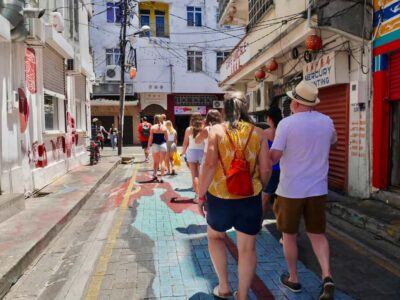
Browse the lists this tour appears in