
Reviewed · TEA & RUM TASTINGS
Mauritius: Tea, Rum and Vanilla Route with Lunch and Pickup
Mauritius tastes better by the cup. This seven-hour outing links tea, sugar, rum, and vanilla with colonial homes, factory machinery, gardens, tastings, and a three-course lunch. I like the mix of hands-on food stops and local history, and I especially like that a private group gives you time to ask questions rather than being rushed from one photo stop to the next.
The main consideration is the $310 price per person, which is high for a seven-hour tour. You are paying for private transport, entry fees, a guide, lunch, and several separate estates, so the cost can make sense if you want a full day with little planning. If you only want a plantation visit or a tea tasting, this is more than you need.
In This Review
- Key points to know before booking
- Why this route works so well in Mauritius
- Le Domaine des Aubineaux and the colonial beginning
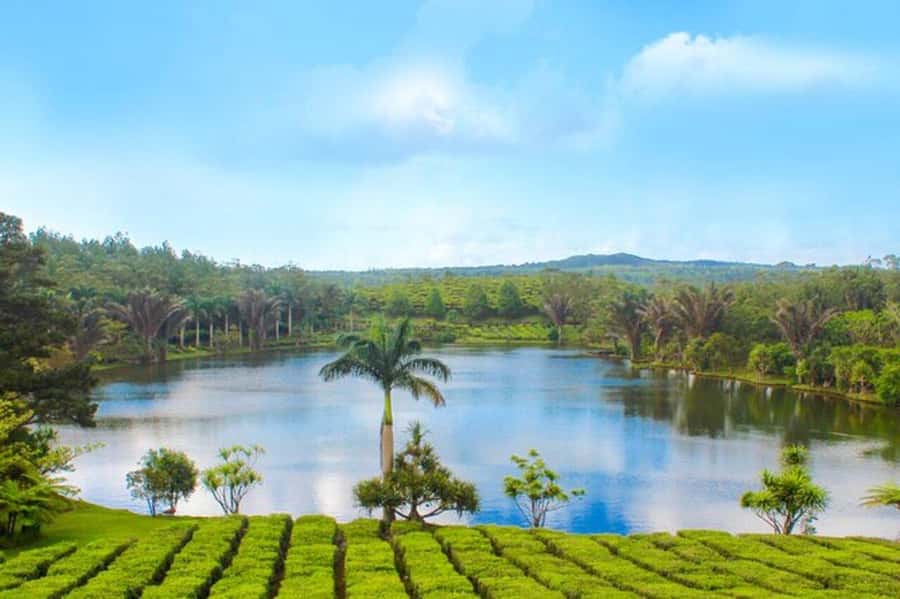
- Bois Cheri factory, museum, and tea fields
- Tea tasting tips for a better visit
- Saint Aubin, vanilla, rum, and the long lunch stop
- The rum house and tasting
- What the $310 price really covers
- Timing, pickup, and planning advice
- Who should book this experience
- Should you book the Tea, Rum and Vanilla Route?
- FAQ
- How long does the Tea, Rum and Vanilla Route last?
- What is included in the price?
- Which estates are visited?
- Is lunch included?
- Which languages are available?
- Is this a private tour?
- Can I cancel the booking?
Key points to know before booking
- Bois Cheri is the centerpiece: You visit Mauritius’s biggest tea manufacturer, tour the factory, see old machinery, and taste several teas with biscuits.
- Three historic estates create variety: Aubineaux focuses on colonial life, Bois Cheri on tea, and Saint Aubin on vanilla, rum, sugar, gardens, and food.
- The guide matters here: Guides such as Sailen and Ibrahim have received especially warm praise for their humor, patience, and ability to explain the sites.
- Lunch is part of the experience: The included three-course meal is served during the Saint Aubin portion, where vanilla becomes more than a souvenir flavor.
- You get more than tastings: The day includes plantation walks, museums, a factory, botanical areas, old buildings, a rum house, and craft or food shops.
- Private groups are useful: You can ask about plants, production methods, and local customs without keeping up with a large bus group.
Why this route works so well in Mauritius
Many island excursions chase scenery alone. This one gives you a better sense of how Mauritius produces and uses some of its best-known products. Tea grows in the uplands, sugar cane shaped the island’s economy, vanilla adds fragrance and flavor, and rum connects the agricultural past to the drinking table.
I like the way the route moves between working production spaces and old estates. You are not simply shown a polished tasting room. You see factory equipment, museum displays, plantation paths, gardens, colonial buildings, and small shops where the products are presented for sale.
The pace is also a strength. Seven hours is long enough to make the southern excursion feel worthwhile, but not so long that every stop becomes a full museum visit. One strong guide can make a large difference. Sailen has been praised for his humor, plant knowledge, medical tips, and willingness to walk through each stop with you. Ibrahim has also earned high marks for making the day enjoyable. Guide assignments can vary, but these names give you an idea of the personal service this tour aims for.
The route is offered in English or French, and the group is private. That matters when you want to linger over a tea, ask about a vanilla plant, or get a clearer explanation of an old machine.
More Tea and Rum Tastings in Mauritius:
- Mauritius: Tea and Sugar Plantation Guided Tour with Lunch
★ 4.8 · 116 reviews - The South of Mauritius: 23-Colored Earth & Rhumerie de St Aubin
★ 4.0 · 48 reviews - Mauritius: Sights of the South Private Tour with Rum Tasting
★ 4.7 · 42 reviews
Le Domaine des Aubineaux and the colonial beginning
The first estate, Le Domaine des Aubineaux, introduces the island through a colonial mansion built in 1872. Instead of beginning with a tasting, the tour starts with a house, its rooms, objects, and connection to plantation life.
The mansion is presented as a museum, so you can expect a more historical stop than a hands-on food experience. It gives the rest of the day a useful frame. Tea, sugar, and rum are not isolated products. They are connected to estates, labor, trade, domestic life, and the way wealthy families lived on the island.
The property also includes Parc Floral du Domaine des Aubineaux, Maison des Essences, and a boutique. The floral park gives you room to walk after the indoor visit, while the house of essences shifts attention toward fragrance and natural products.
I would pay attention here to the contrast between the preserved colonial house and the living plants around it. That contrast is one of the route’s strongest ideas: Mauritius is presented through both its built past and its agricultural present.
This stop may feel less exciting if you are mainly interested in eating and drinking. The mansion is not a quick tasting counter. Still, it is valuable early in the day because it explains the setting before you reach the factory and plantations.
Bois Cheri factory, museum, and tea fields
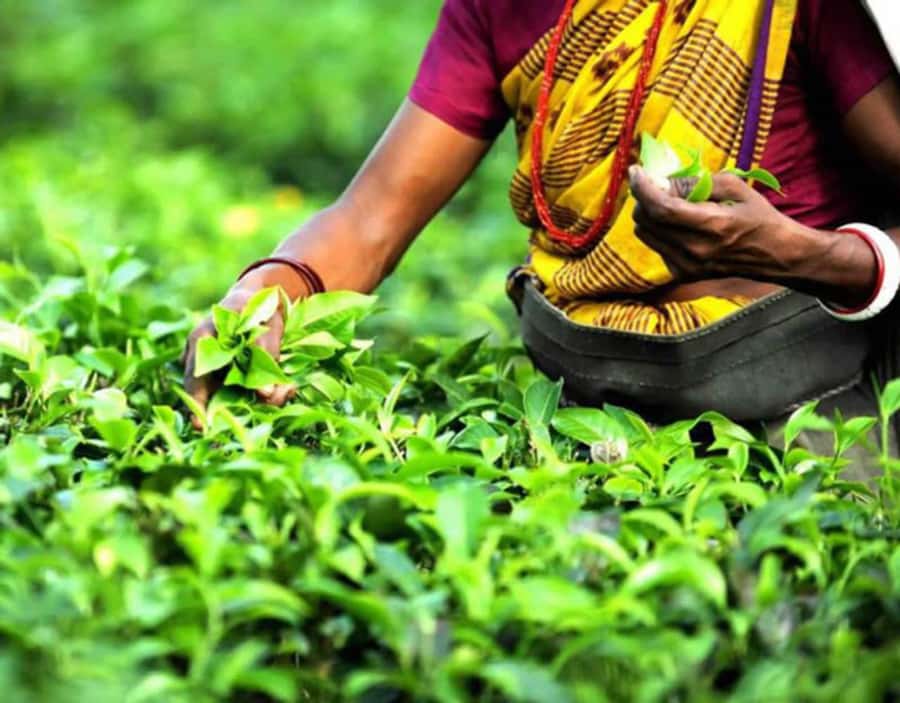
Bois Cheri is the most substantial stop on the route. It is the biggest tea manufacturer in Mauritius, and the visit includes the factory, a museum, the tea plantation, and a tasting at the chalet.
Inside the factory, a guide explains how tea is produced. You can see old machines connected with production and learn how the process developed. The machinery gives the visit a physical sense of work that a simple retail tasting cannot provide.
The museum adds another layer, with nineteenth-century tea services, photographs, tables, and documents. These displays help explain tea as both an everyday drink and a product with a long place in Mauritian life.
The factory tour is especially useful if you normally think of tea only as a finished drink. Here you can connect the leaf, the machinery, the labor, and the cup. You also hear about different infusions, which prepares you for the tasting later.
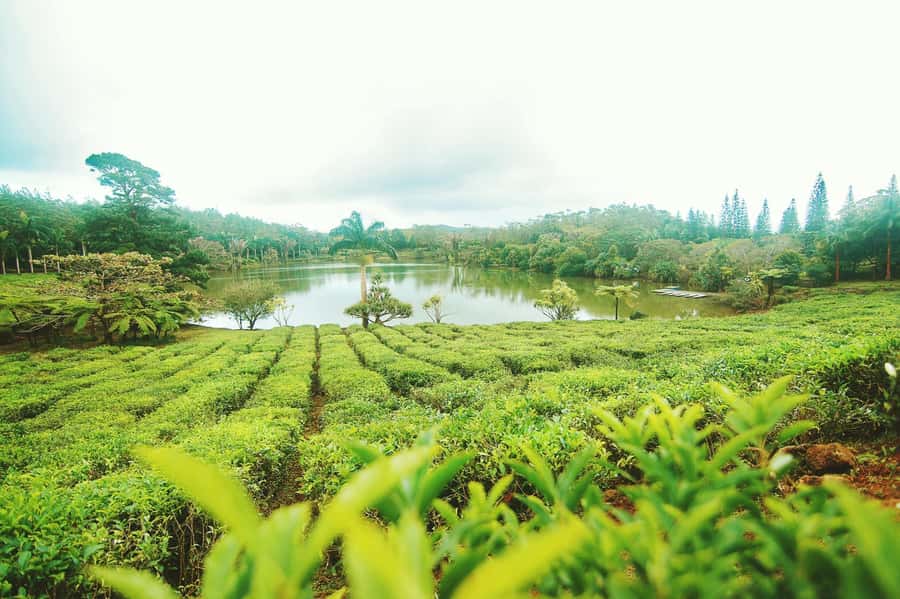
Outside, you walk through the tea plantation. The route provides broad views across the south of the island, and the guide explains Bois Cheri’s stories, history, and the importance of tea production in Mauritius.
Bring comfortable shoes for this portion. The plantation walk is not described as a strenuous hike, but you will be on your feet through several different settings. You will enjoy it most if you give yourself time to look closely at the plants rather than treating it as a quick transfer between buildings.
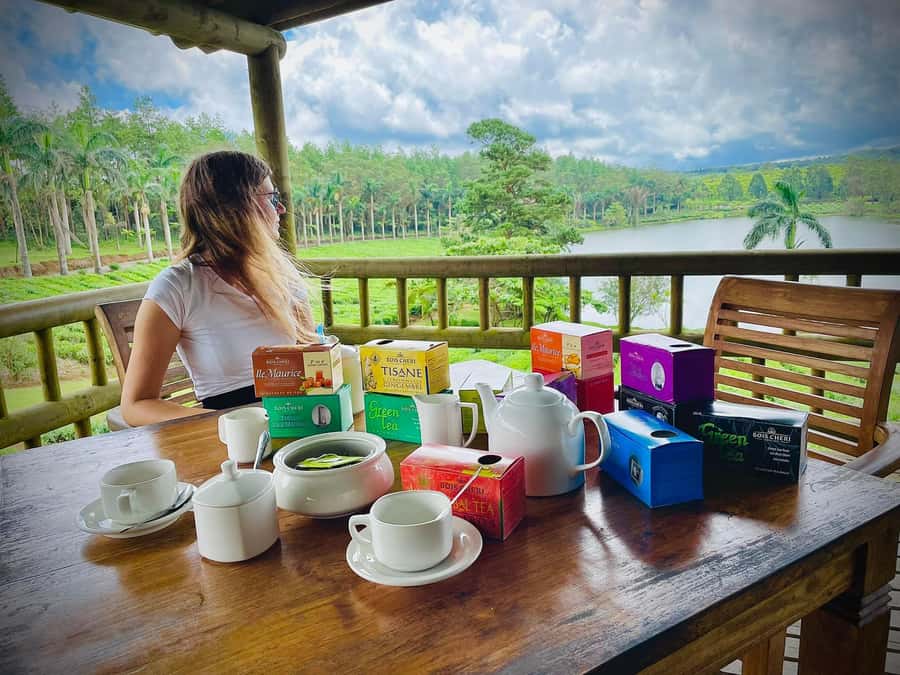
The tea tasting takes place at the chalet. Several flavors are available, with biscuits served alongside them. I would treat this as a comparison exercise rather than simply choosing the sweetest cup. The point is to notice how different infusions change the taste and aroma.
Bois Cheri is also where the day feels most focused. Aubineaux introduces the past, but Bois Cheri explains a complete product from field to factory to cup. If tea is your main reason for booking, this is the stop that justifies the trip.
Tea tasting tips for a better visit
You do not need to be a tea expert to enjoy the tasting. Start with the lighter flavors, then move toward stronger or more unusual infusions. The biscuits help clear your palate, so use them between samples instead of rushing through every cup.
Ask your guide to explain how each tea differs. Since the tour is private, this is a good moment to ask practical questions about production, local preferences, and the machines you have just seen.
The chalet setting also provides a pause in the day. After the museum and plantation walk, you can sit, taste, and take in the southern views. This rhythm is one reason the tour does not feel like a string of unrelated stops.
Tea and plantation products are available through the estate boutiques. You should not feel pressured to buy, but the shops can be useful if you want a practical souvenir that connects directly to the visit.
A few more trips in Mauritius worth putting side by side
- Mauritius: Ile Aux Cerfs Catamaran Trip w/ Lunch & Transfer
★ 4.3 · 1,922 reviews - Île aux Bénitiers: Snorkeling w/Dolphins Boat Tour & Lunch
★ 4.0 · 1,635 reviews - Mauritius: Private South-West Nature & Viewpoints with Lunch
★ 4.8 · 1,129 reviews - Mauritius: Wild Southwest Full-Day Tour with Lunch
★ 4.7 · 1,038 reviews
Saint Aubin, vanilla, rum, and the long lunch stop
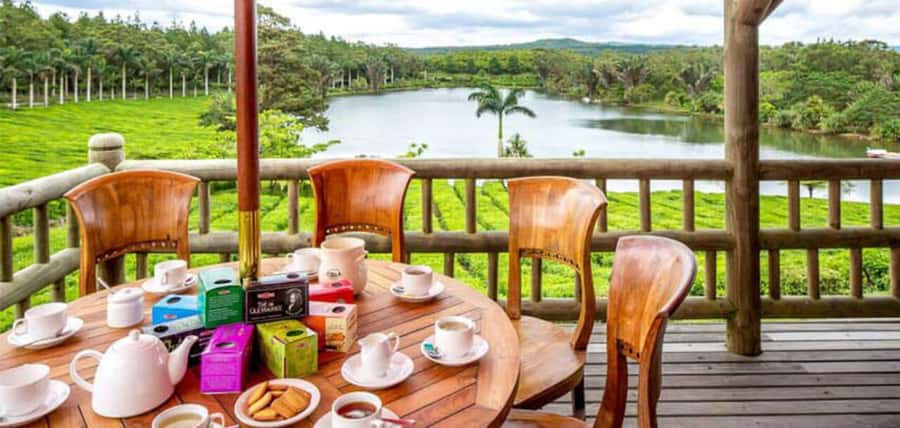
Le Domaine de Saint Aubin brings together the widest range of attractions. The estate includes a mill, an old chimney, boutiques, a vanilla house, anthurium greenhouse, spice garden, botanical garden, attic, and rum house.
That list can sound like too much, but the variety is precisely what makes Saint Aubin enjoyable. You move from industrial and plantation history toward plants, fragrance, food, and spirits.
At La Maison de la Vanille, you learn about vanilla and see how the spice fits into local production. Vanilla is easy to treat as a flavor added to ice cream, but this stop gives it a physical presence. You see the plant and the product in the same setting, which makes the later meal more meaningful.
The Jardin des Epices and botanical garden add more plant life to the route. A guide can explain the uses of different plants, and Sailen has been praised for sharing practical information about plants and traditional medical uses. Treat those tips as cultural knowledge rather than medical advice, and enjoy the chance to ask questions.
The anthurium greenhouse offers a change of color and texture after the tea fields. The old mill, chimney, and attic keep the estate tied to its agricultural past. The boutique gives you another chance to browse local products without needing a separate shopping trip.
The three-course lunch is included and is served as part of the Saint Aubin visit. This is more than a break for fuel. It is where the route’s ingredients become a meal.
A chicken dish with vanilla sauce and banana ice cream have been singled out as particularly memorable parts of the food experience. Menus can change, so do not book expecting those exact dishes. Still, the pairing explains the appeal of lunch here: familiar food takes on a local accent through vanilla and tropical ingredients.
The lunch is also a practical advantage. You do not have to search for a restaurant during a tightly timed day, and the meal gives the tour a proper pause. If you have dietary restrictions, the supplied details do not specify special menu arrangements, so ask before booking.
The rum house and tasting
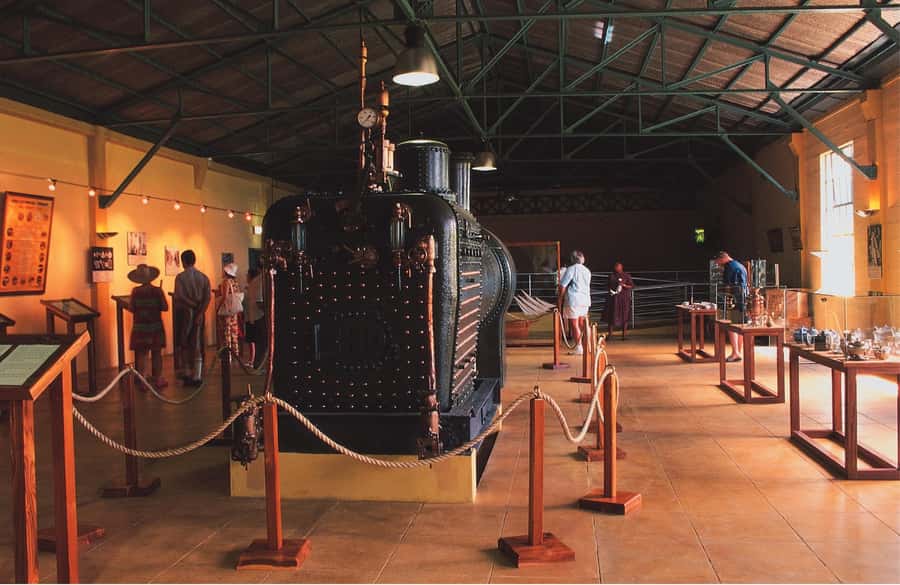
The Maison du Rhum completes the sugar story with a rum tasting. Sugar cane is central to the route, and rum shows what can happen when an agricultural crop becomes a distilled drink.
This tasting works best after you have visited the estate’s other sections. By this point, tea, spices, vanilla, and sugar have all appeared in different forms. Rum gives the day a final, adult-focused tasting rather than another cup of tea.
Drink slowly and listen to the explanation. A tasting is not a race, and you can learn more by comparing the aromas and finish of each sample. If you do not drink alcohol, the experience still has value as part of the estate visit, though the included details do not specify a nonalcoholic alternative.
The rum house is also a reminder that Saint Aubin is not simply a garden attraction. It presents the links between plants, processing, food, and commerce in one compact setting.
What the $310 price really covers
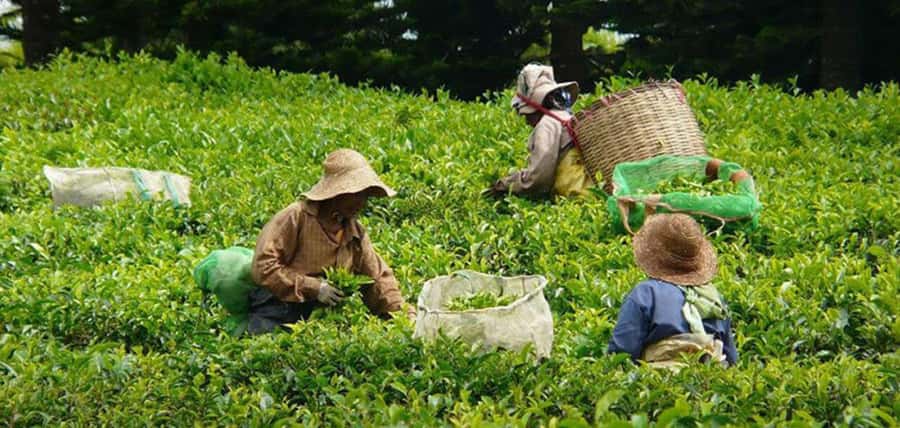
At $310 per person, this is a premium excursion. The price is easier to justify when you count what is bundled together: pickup and drop-off from selected hotels, private transport, a live guide, entrance fees, a plantation visit, tea tasting, rum tasting, and a three-course lunch.
You are also covering several separate estate visits in one organized day. Booking each piece independently could take more time and create transport problems, especially when the sites are spread across the southern part of Mauritius.
The private format is important to the value. A large group tour might be cheaper, but it would usually give you less control over the pace and fewer chances to ask detailed questions. Here, the guide can stay with you and explain what you are seeing.
Still, the price is not automatically good value for everyone. If your interests are limited to tea, you may find a single tea estate visit enough. If you dislike museums, gardens, or tastings, parts of Saint Aubin may feel like extras you are paying for but not using.
I see this as a good-value splurge for someone who wants an organized cultural day with food included. It is less attractive for a budget-focused visitor who is happy to arrange a simple plantation visit independently.
Timing, pickup, and planning advice
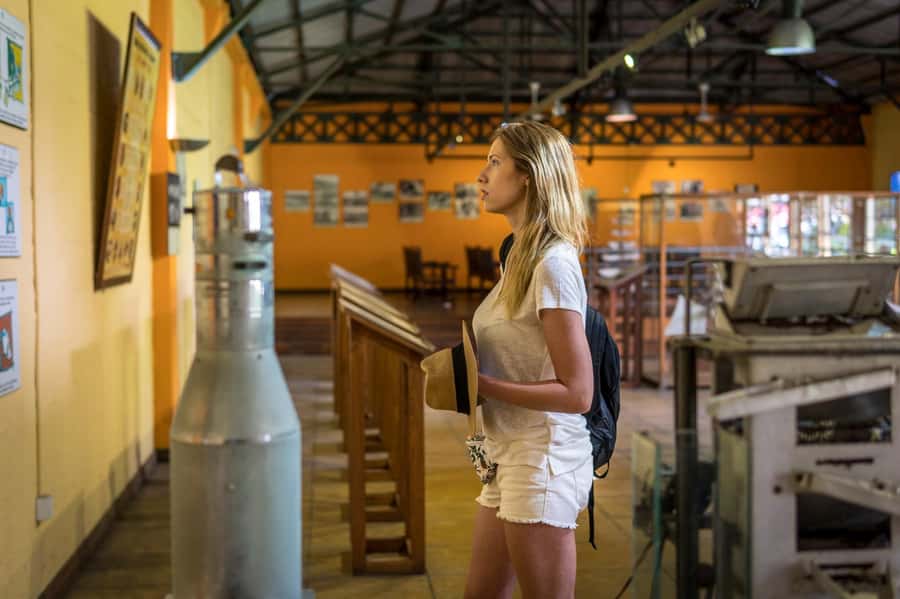
The experience lasts seven hours, and starting times depend on availability. Pickup and drop-off are included from selected hotels, so confirm that your accommodation is covered before you pay.
You are asked to wait in the hotel lobby 10 minutes before the scheduled pickup time. That small detail matters. A private tour has a more personal feel, but the vehicle still needs to keep the day moving through several estates.
Wear shoes that are comfortable for walking around plantations, gardens, museums, and estate buildings. The day includes outdoor areas and indoor visits, so light layers are sensible, although no specific clothing rules are provided.
The route is best treated as a full day rather than a flexible sightseeing transfer. You will have time at each location, but the seven-hour schedule still has several stops to fit in. If you want long, unhurried photography sessions at every garden, you may feel the timetable.
Free cancellation is available up to 24 hours before the start for a full refund. You can also reserve now and pay later, which helps if your Mauritius plans are still shifting.
Who should book this experience
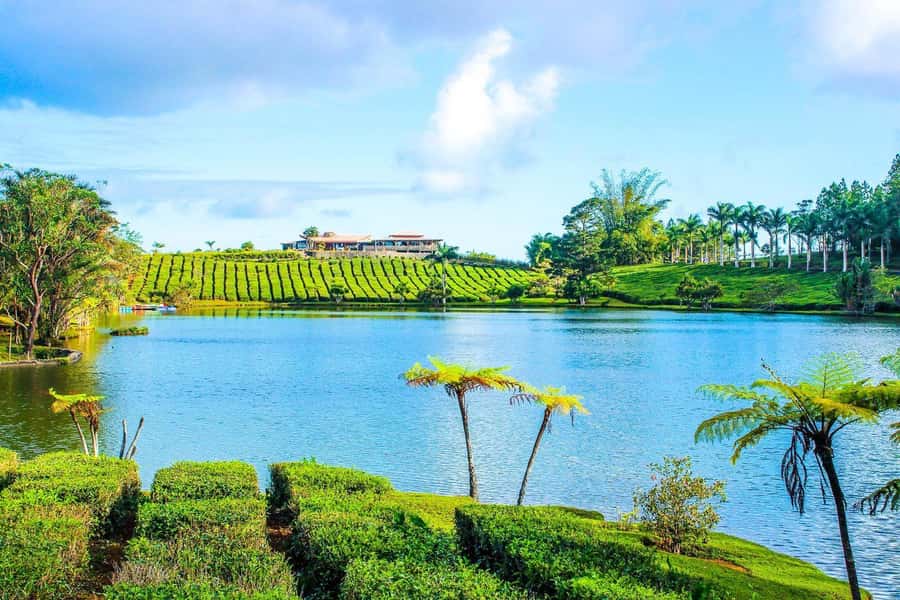
I would recommend this route to you if you enjoy learning how local products are made, especially tea, rum, vanilla, and sugar. It also suits anyone who wants history without spending the entire day inside formal museums.
Food lovers get a lot from the tastings and lunch. Plant lovers have the tea fields, spice garden, botanical garden, and anthurium greenhouse. People interested in architecture get the 1872 colonial mansion and the preserved estate buildings.
The private format makes it a strong choice for couples, families, and small groups who prefer conversation and flexibility. French and English speakers are both accommodated.
I would think twice if you want a relaxed beach day, a short activity, or a single focused tasting. Seven hours is a serious block of holiday time, and the route covers a lot. The higher price also makes more sense when every member of your group is interested in the full mix.
Should you book the Tea, Rum and Vanilla Route?
Book it if you want Mauritius presented through its farms, old estates, factory work, gardens, food, and drinks. The strongest parts are Bois Cheri’s factory and plantation, the range of Saint Aubin, the included lunch, and the chance to have a guide such as Sailen or Ibrahim explain the details in a private setting.
Skip it if you only want scenery or if $310 feels too high for a day that includes several historic and educational stops. For the right audience, though, the price buys convenience and depth, not just transport. You return with a better sense of how tea, sugar, vanilla, and rum fit into Mauritius, and that is a worthwhile souvenir in its own right.
FAQ
How long does the Tea, Rum and Vanilla Route last?
The experience lasts seven hours and is described as a full-day excursion.
What is included in the price?
Pickup and drop-off from selected hotels, entrance fees, a guided tour, a tea plantation visit, tea tasting, rum tasting, and a three-course lunch are included.
Which estates are visited?
The route visits Le Domaine des Aubineaux, Le Domaine de Bois Cheri, and Le Domaine de Saint Aubin.
Is lunch included?
Yes. A three-course lunch is included as part of the experience.
Which languages are available?
The live tour guide is available in French and English.
Is this a private tour?
Yes. The experience is offered for a private group.
Can I cancel the booking?
You can cancel up to 24 hours in advance for a full refund. Reserve now and pay later is also available.
New in Mauritius this month
- Mauritius Half Day City Tour(All Region)★ 4.0 · 3 reviews
- Airport/ Hotel Transfers★ 5.0 · 3 reviews
- Mauritius Hiking 7 waterfalls Trip with Ganga Talao & Lunch★ 4.7 · 3 reviews
- Fascinating Nature Tour Incl Ebony Forest, 7 Coloured Earth,Lunch★ 5.0 · 3 reviews
- Cultural Delights & Heritage Treasures in the City★ 5.0 · 3 reviews
- Chamarel: Curious Mauritius Entry Ticket★ 4.0 · 3 reviews
- Whale & Dolphins Swimming – Private Speedboat Exclusive Tour★ 4.2 · 3 reviews
- Coin de Mire 2-Hour Private Snorkeling Trip★ 4.3 · 3 reviews
Tea & Rum Tastings, compared.
The South of Mauritius: 23-Colored Earth & Rhumerie de St Aubin
Read our review →

Wild South: Full-Day tour incl Rhumerie St Aubin, Bois cheri Tea factory & Lunch
Read our review →
The Gorgeous South of Mauritius: Full-day tour incl Tea Factory & Crocodile park
Read our review →
Southern Treasures: Bois Cherri Tea Factory & 23-Colored Earth
Read our review →
Full Day Guided Tea Route Mauritius: Including Lunch
Read our review →Browse the lists this tour appears in